
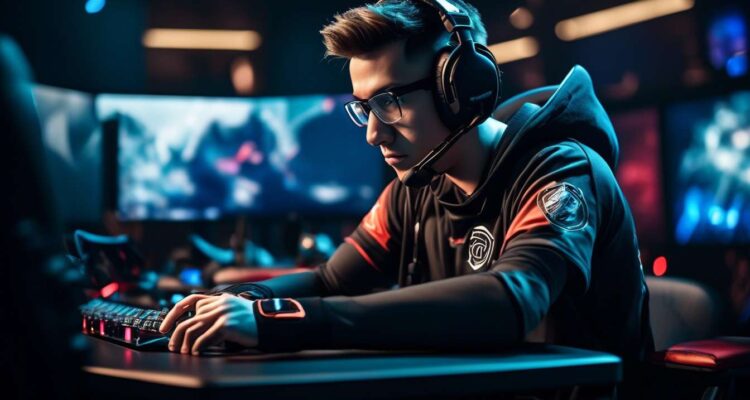
As passionate participants and enthusiasts in the world of esports, we find ourselves increasingly aware of the physical toll it can take on players. While esports might seem less demanding than traditional sports, the repetitive strain from long hours of practice and high-pressure competitions can lead to significant injuries.
We have witnessed how carpal tunnel syndrome, tendinitis, and eye strain not only impact player performance but also their overall well-being. Such injuries can sideline careers and alter the trajectory of a promising player, often at the peak of their game.
Our community is beginning to acknowledge these challenges, prompting us to delve deeper into understanding their causes and effects. By exploring these issues, we aim to shed light on the importance of preventative measures and rehabilitation.
Together, we hope to foster a safer and more sustainable environment for all esports athletes, ensuring that passion and performance can coexist without compromising health.
The Rise of Esports Injuries
As esports continues to grow in popularity, we’re seeing a notable increase in injuries among professional gamers. These esports injuries are impacting player performance significantly, and it’s crucial for us as a community to address this rising concern. We’re all in this together, striving to support our favorite players and teams as they push the boundaries of competitive gaming.
The pressure to perform at the highest level often leads to physical strain, and without proper attention, these injuries can sideline even the most talented athletes.
To counteract these challenges, effective rehabilitation strategies are emerging as essential components of a player’s toolkit. By focusing on recovery and prevention, we’re not only helping our favorite players get back in the game but also ensuring their long-term health and success.
Implementing the following can make a world of difference:
- Exercises
- Ergonomic setups
- Regular breaks
Let’s unite in promoting healthier gaming habits, so our esports heroes can continue to excel without compromising their well-being.
Understanding Common Gaming Afflictions
Many of us might not realize that common gaming afflictions like carpal tunnel syndrome and eye strain can significantly affect a player’s career and quality of life. As esports enthusiasts, we understand the pressure to perform at our best, but these injuries can hinder our player performance and even lead to longer-term health issues if left unaddressed.
We belong to a community that values skill and dedication, so it’s essential to recognize the importance of addressing esports injuries early.
- Carpal tunnel syndrome, resulting from repetitive wrist movements, can cause numbness and pain, impacting our ability to game efficiently.
- Similarly, eye strain from prolonged screen time can reduce focus and accuracy.
Rehabilitation strategies are vital in managing these afflictions. By incorporating:
- Regular breaks
- Ergonomic equipment
- Targeted exercises
we can support our recovery and maintain competitive levels.
Together, let’s prioritize our health, ensuring we’re not only playing at our best but also safeguarding our well-being for the long run.
Impact on Competitive Gameplay
In competitive gameplay, even minor injuries can drastically alter our performance and decision-making abilities. Esports injuries—whether stemming from a repetitive strain or a sudden mishap—compel us to adjust our strategies and often leave us feeling out of sync with our team. These injuries can impair our reflexes and coordination, making it challenging to maintain the precision that competitive gaming demands. It is crucial to stay at the top of our game, but injuries can create barriers to achieving our full potential.
When facing these challenges, we must embrace effective rehabilitation strategies. By prioritizing our health and recovery, we can regain peak player performance and ensure we don’t let our team down. Here are some steps to consider:
- Rest and Recovery: Allow adequate time for healing.
- Physical Therapy: Engage in exercises to strengthen and restore function.
- Ergonomic Adjustments: Modify gaming setups to prevent further strain.
- Mental Health Support: Address stress and anxiety related to injuries.
Sharing experiences and solutions within our community strengthens our bonds and fosters learning. Together, we can develop better practices and support systems that not only address injuries but also enhance our collective resilience in the ever-evolving world of esports. This collaborative approach will ensure that we continue to thrive both individually and as a community.
Performance Deterioration and Potential Loss
Injuries in Esports
When injuries strike, we often experience a noticeable decline in our gaming skills, leading to potential setbacks in our competitive standings. Esports injuries can severely affect player performance, impacting reaction times and precision. As a community that thrives on skill and teamwork, we know how crucial it is to maintain top-notch performance levels. However, injuries can create barriers that hinder our ability to stay at the top of our game.
Rehabilitation Strategies
To combat this, we need to focus on effective rehabilitation strategies. These strategies not only help us heal physically but also improve our overall gameplay. By consistently integrating exercises and ergonomic practices into our routines, we can mitigate the risk of performance deterioration.
-
Exercises:
- Targeted stretches and strengthening exercises
- Regular breaks to reduce strain
-
Ergonomic Practices:
- Proper posture while gaming
- Ergonomic equipment to support body alignment
It’s vital that we support each other through this process, sharing tips and encouraging adherence to rehabilitation programs.
Community Support
As we navigate these challenges together, let’s prioritize our health and well-being, ensuring we’re ready to return to the competitive scene stronger and more resilient than ever.
Psychological Effects of Physical Strain
Physical Strain and Mental Well-being in Gaming
Many of us don’t realize how much physical strain from gaming can take a toll on our mental well-being, leading to stress and frustration. Esports injuries not only affect our bodies but can also impact our minds, altering our player performance.
When we’re sidelined by an injury, it feels like we’re missing out on the camaraderie and intense competition that draw us to esports in the first place. This absence can be isolating, making us question our skills and dedication.
Rehabilitation and Recovery
As we navigate the recovery process, rehabilitation strategies become crucial. They help us regain physical strength and rebuild our confidence. By focusing on both the physical and psychological aspects of our recovery, we can return to the game stronger and more resilient.
Support and Community
Sharing our experiences with teammates and leaning on each other during tough times creates a sense of belonging and support. Together, we can overcome the challenges posed by esports injuries and continue to thrive in the competitive scene.
Implementing Proactive Health Measures
To stay ahead of potential injuries, we must adopt proactive health measures that prioritize both physical and mental well-being.
By doing so, we not only safeguard player performance but also foster a sense of community and shared responsibility. Esports injuries can significantly impact a player’s career, making it crucial to integrate wellness practices into daily routines.
Physical Health Strategies:
- Encourage regular breaks
- Implement ergonomic setups
- Introduce exercises tailored to the demands of gaming
Mental Health Considerations:
- Provide stress management techniques
- Ensure access to mental health resources
- Promote open conversations around mental well-being
Benefits of Proactive Measures:
By implementing these strategies, we strengthen our community’s resilience against injuries. This ensures that each player has the tools needed to perform at their best.
Together, we can make the esports world a healthier and more inclusive place for everyone.
Rehabilitation Strategies for Players
When players face injuries, we should focus on effective rehabilitation strategies that expedite recovery while ensuring long-term health. As a community, we must prioritize the well-being of our esports athletes, recognizing that their performance is deeply tied to their physical and mental health.
Addressing esports injuries promptly with tailored rehabilitation programs can significantly boost player performance and longevity in the field.
Key Strategies for Rehabilitation:
-
Integration of Physical Therapy and Ergonomic Assessments:
- Helps in identifying and mitigating risks associated with repetitive strain and poor posture.
-
Mental Health Support:
- Fosters a holistic recovery environment.
- Ensures players feel supported throughout their rehabilitation journey.
By collaborating with healthcare professionals and leveraging cutting-edge research, we can develop personalized rehabilitation strategies. This not only enhances player performance but also strengthens the sense of community, ensuring everyone feels valued and cared for in the esports world.
Creating a Sustainable Esports Culture
To build a sustainable esports culture, we must prioritize balancing competitive success with the long-term health and well-being of our athletes.
Key Considerations:
- Acknowledge that esports injuries can significantly impact player performance if left unaddressed.
- Foster a culture where health is as celebrated as skill to ensure athletes can continue to compete at their best.
Rehabilitation Strategies:
- Encourage players to seek professional guidance when dealing with injuries.
- Promote a proactive approach to recovery.
-
Share success stories within the community to inspire others to prioritize their health.
- Demonstrating that resilience and performance go hand-in-hand.
Training and Recovery:
- Advocate for training schedules that incorporate rest and recovery to reduce burnout.
- Create supportive networks where players feel they belong.
By collectively elevating the standards for health and performance in esports, we can build an environment where athletes thrive both competitively and personally. Together, we ensure that our esports culture is both sustainable and nurturing.
What are the long-term career prospects for esports players who have suffered significant injuries?
When considering the long-term career prospects for esports players who have suffered significant injuries, it’s important to understand the potential impact on their future opportunities and success in the industry.
Challenges and Adaptations:
-
Adapting Playing Styles: Injuries may necessitate changes in how players engage with games, potentially affecting their performance and competitiveness.
-
Exploring Alternative Career Paths:
- Players might seek roles within esports that are less physically demanding.
- Opportunities can include coaching, commentating, or content creation.
-
Transitioning to Different Roles:
- Players may find fulfilling careers in game development, event management, or esports marketing.
Prioritizing Health and Well-being:
- Ensuring a sustainable and fulfilling career trajectory requires players to focus on their physical and mental health.
- Regular health check-ups and appropriate recovery time can prolong their active playing career.
By addressing these areas, esports players can navigate the challenges posed by injuries and continue to thrive within the gaming industry.
How do esports organizations support players financially during injury recovery periods?
When players face injuries, esports organizations like ours step in to support financially during recovery.
We ensure that players have access to:
- Medical care
- Resources needed for a smooth rehabilitation process
Our goal is to prioritize their well-being and provide a safety net so they can focus on healing without worrying about financial burdens.
It’s all about showing our players that we’re here for them, every step of the way.
Are there any specific legal protections or rights for esports players regarding injury and health care?
Understanding Legal Protections in Esports for Injury and Healthcare
As players in the esports industry, it is crucial to have a comprehensive understanding of the legal protections and rights available concerning injury and healthcare. This knowledge ensures that our well-being is prioritized and protected throughout our esports careers.
Key Aspects to Consider:
-
Awareness of Rights:
- Know the specific healthcare rights available to esports athletes.
- Understand the legal implications of contracts related to injury and healthcare.
-
Healthcare Support:
- Ensure access to appropriate medical care and support.
- Advocate for inclusion of healthcare provisions in contracts and agreements.
-
Legal Protection:
- Familiarize yourself with laws and regulations that protect esports athletes in case of injury.
- Seek legal advice to navigate complexities related to healthcare rights.
By staying informed about these legalities, esports players can ensure they have the necessary support and protection for any health-related issues that may arise during their careers.
Conclusion
As an esports player, taking care of your physical and mental well-being is crucial for maintaining peak performance.
By recognizing and addressing common gaming afflictions, you can prevent injuries that may impact your competitive gameplay.
Proactive Health Measures:
- Ergonomic Setup: Ensure your gaming equipment and environment support good posture and reduce strain.
- Regular Breaks: Incorporate short breaks to rest your eyes and stretch your body.
- Hydration & Nutrition: Maintain a balanced diet and stay hydrated for optimal cognitive and physical function.
Rehabilitation Strategies:
- Identify Symptoms: Be aware of early signs of strain or injury, such as wrist pain or eye strain.
- Consult Professionals: Seek advice from healthcare professionals specializing in gaming-related injuries.
- Implement Recovery Techniques: Utilize exercises, therapy, or equipment designed to aid recovery.
Prioritize your health to ensure a long and fulfilling journey in the world of esports. Implementing these strategies will help you sustain a healthy and successful esports career.